
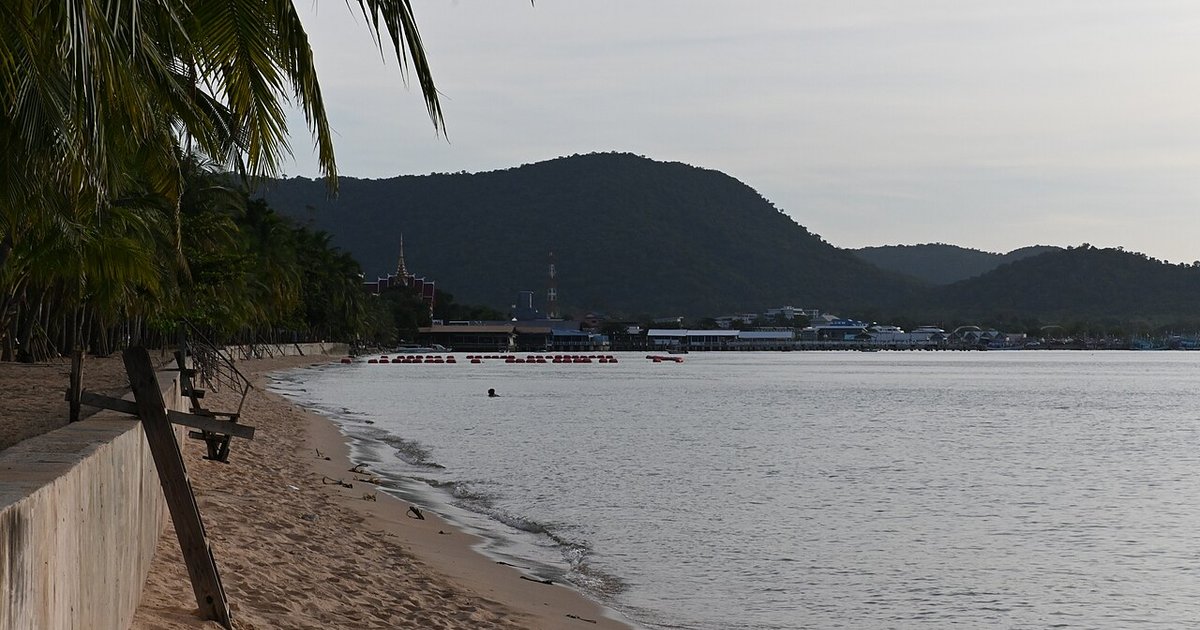
Peak season gets most of the attention, but the weeks just before or after it - often called shoulder season - can offer some of the best travel experiences of the year. Fewer crowds, more relaxed pacing, and often better availability make this window worth serious consideration for your next trip.
Shoulder season timing varies widely by destination and depends on local climate, school calendars, and regional events. A coastal destination's shoulder season might fall in late spring or early autumn, while a mountain destination could see its quieter window at a completely different time of year. A little research into a specific destination's weather and event calendar goes a long way toward identifying the right window.
Shoulder season isn't without compromises. Some seasonal attractions, boat tours, or hiking trails may operate on reduced schedules, and weather can be a little less predictable than during peak months. Checking specific opening hours and seasonal closures ahead of time helps avoid disappointment once you arrive.
For travelers willing to trade a small amount of certainty for a quieter, often more affordable experience, shoulder season frequently delivers a version of a destination that feels more relaxed and more personal than the same place at its busiest.